The hardest part of building an online course business is not creating the course. It is building an audience that trusts you enough to buy it. Course creators who launch without an established social media presence are essentially opening a new restaurant with no customers in the neighbourhood. They have a product, but no one to sell it to.
The course creators generating consistent revenue almost universally share one characteristic: they have invested in building a social media audience before they need to monetise it. They teach first, build trust over time, and launch to an audience that already believes in their expertise.
This guide covers the complete social media strategy for online course creators in 2026.
Choose Your Platform Based on Your Teaching Style
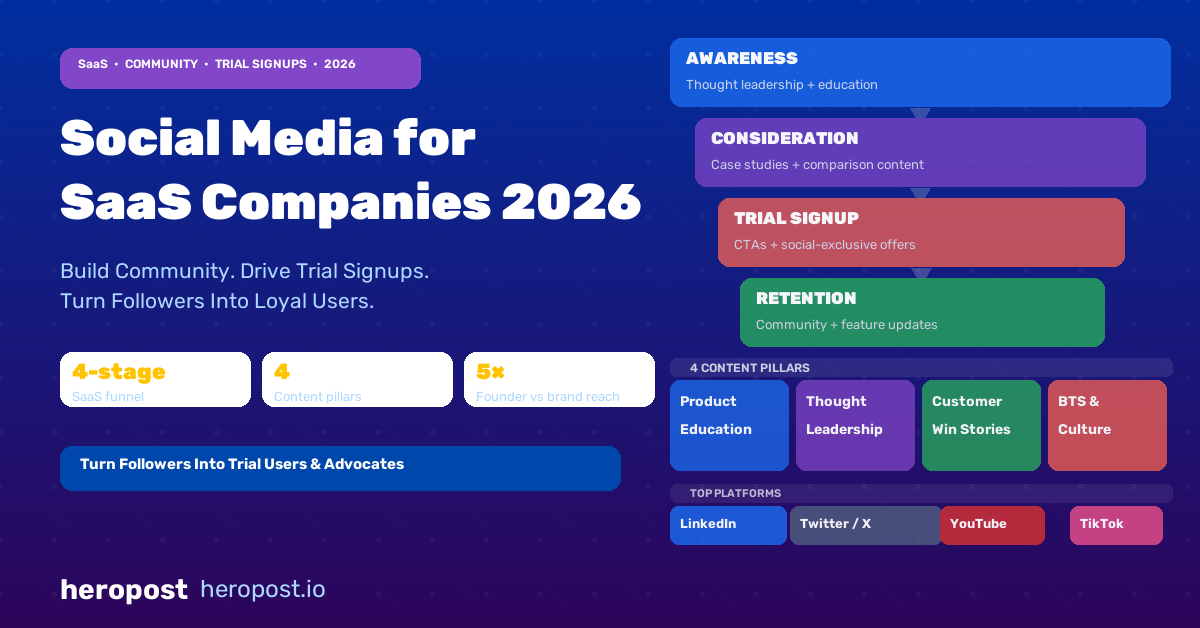
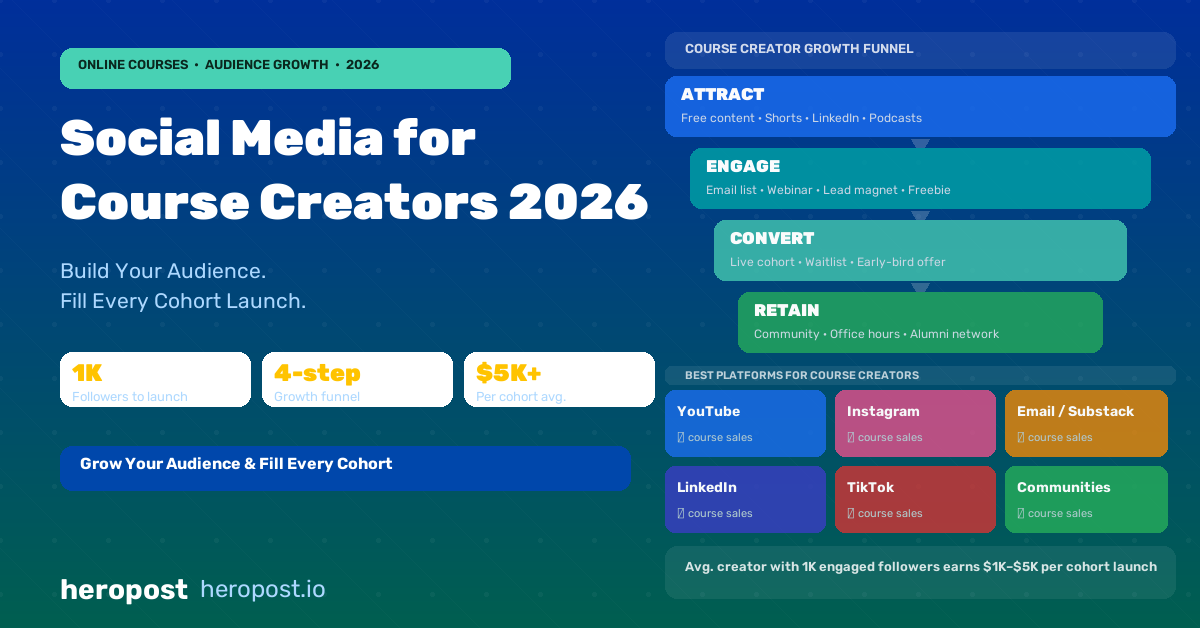
YouTube: The highest-leverage platform for course creators because it serves as both audience-building and curriculum-preview. Potential students can watch your free YouTube content, see how you teach, and decide whether your style works for them before purchasing. Courses on professional skills, coding, design, marketing, and technical subjects all perform exceptionally well when backed by a strong YouTube presence.
LinkedIn: Best for professional development courses — leadership, management, career transitions, business skills, finance, and B2B topics. LinkedIn’s feed rewards long-form expertise posts, and its audience is willing to invest in professional development.
Instagram: Best for lifestyle, wellness, creative, and personal development courses. Instagram’s visual nature suits courses in fitness, nutrition, photography, and coaching.
TikTok: Growing rapidly as a course discovery platform, particularly for younger demographics. Short educational clips that tease course content, debunk myths in your niche, and showcase student outcomes drive both awareness and course sales.
Podcast: While not strictly social media, launching a podcast in your course topic is one of the most powerful audience-building strategies available. Listeners who consume your podcast for months before you launch a course arrive as warm, ready-to-buy prospects.
The Pre-Launch Audience Building Strategy
The single biggest mistake course creators make is building their course before building their audience. The sequence should be:
Phase 1: Establish authority (3-6 months before launch)
During this phase, your only goal is to demonstrate expertise and build a following of people who want to learn what you teach. Post educational content that showcases your knowledge without trying to sell anything. Ideal content during this phase:
- “How to” tutorials that solve specific, common problems in your niche
- Myth-busting content that challenges outdated advice
- Behind-the-scenes of your own practice or expertise
- “Lessons I learned” narrative posts that combine story with insight
Phase 2: Build pre-launch engagement (6-8 weeks before launch)
As your launch approaches, shift from pure education to education + signals that a course is coming. Content that works during this phase:
- Survey posts: “What is your biggest challenge with [topic]?”
- Behind-the-scenes of course creation: curriculum development, recording, beta testing
- Student transformation stories from beta testers
- Waitlist posts: “We’re building something for people who want to [outcome]. Join the waitlist.”
Phase 3: Launch content (launch week)
During launch week, you have permission to sell explicitly. But the best launch content is still story-driven and outcome-focused rather than feature-driven.
Content Formats That Drive Course Sales
Transformation posts: The most powerful content for course creators is transformation evidence — real before-and-after stories from students who achieved meaningful results. Specific, concrete transformation stories convert viewers into buyers more effectively than any sales copy.
“What I wish I’d known” content: This format performs consistently across all platforms and niches. It positions you as both empathetic (you understand the struggle) and authoritative (you have been through it and emerged with hard-won knowledge).
Curriculum teasers: Share individual lessons, frameworks, or techniques from your course as free content. Counter-intuitive as it sounds, sharing the best of what is in your course does not reduce sales — it increases them, because it demonstrates the quality of what students will receive.
Live Q&A and Office Hours: Go live on your platform of choice weekly during launch periods. Answer questions about the topic you teach. Lives also benefit from algorithm boosts on most platforms.
Building and Nurturing an Email List From Social Media
Social media builds awareness; email converts. Use your social media presence to drive followers to:
- A free lead magnet (checklist, template, mini-course, guide) in exchange for an email address
- Your waitlist for the upcoming course
- A free live workshop or webinar
Your email list gives you a direct communication channel that you own and control — unlike social media followers, which are rented from the platform.
Scheduling and Consistency with a Social Media Tool
Course creators are typically solo operators managing content creation, curriculum development, student support, and marketing simultaneously. Batching all your social media content creation one day per week and scheduling it to publish automatically keeps your presence consistent even during intensive course creation or delivery periods.
A social media management platform like Heropost makes this workflow practical — create once, schedule across platforms, and maintain consistency without daily attention.
Conclusion
The course creators who launch to empty rooms are the ones who built the course before building the audience. The ones who consistently fill their cohorts invested months creating value on social media before they ever tried to sell. Your social media presence is not marketing for your course — it is the proof that you are worth paying to learn from. Build that proof first. The sales follow.