Social media moves fast. What was cutting-edge strategy in January can be standard practice by July. Staying ahead of meaningful trends — rather than chasing every fleeting shift — is one of the most valuable habits a social media marketer can build.
This post looks at the significant trends shaping the second half of 2026: not hype, not speculation, but patterns with clear momentum that marketers should be paying attention to right now.
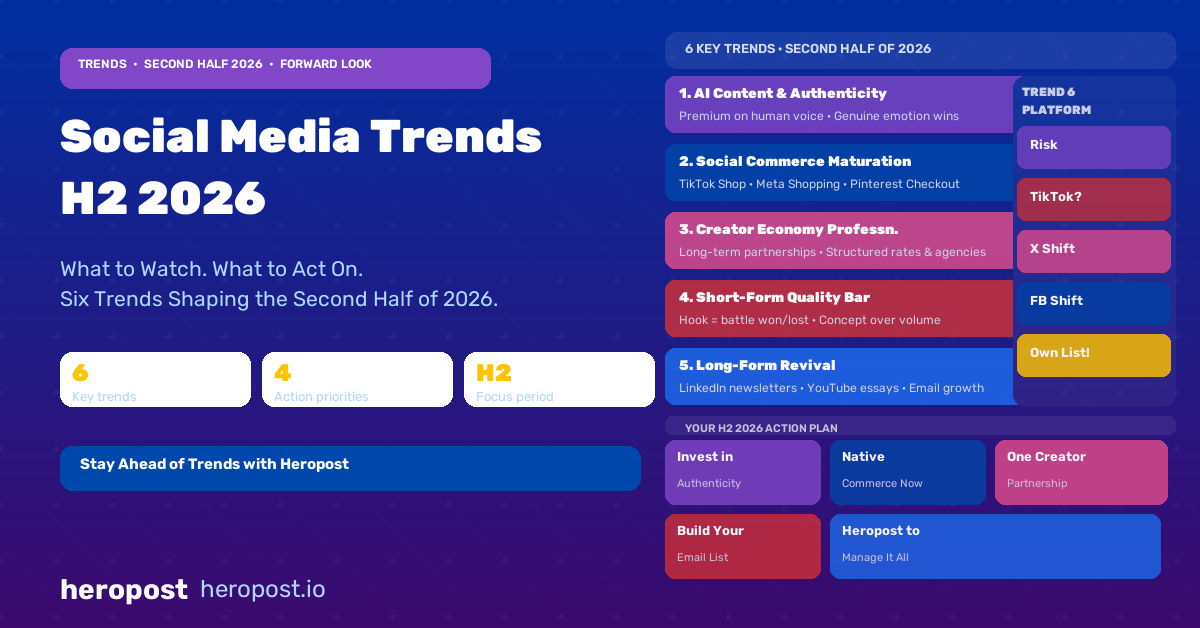
Trend 1: AI-Generated Content Normalisation and the Premium on Authenticity
AI-generated social media content has moved from novelty to standard practice. As a result, platforms have begun adjusting algorithmically to differentiate authentic human-generated content from AI-generated alternatives. Authenticity signals are becoming more algorithmically valuable.
What this means for your strategy: Invest in content formats that AI cannot convincingly replicate: live video, genuine behind-the-scenes documentation, real customer stories, founder personality. The premium on authentic human voice is rising, not falling.
Trend 2: Social Commerce Maturation
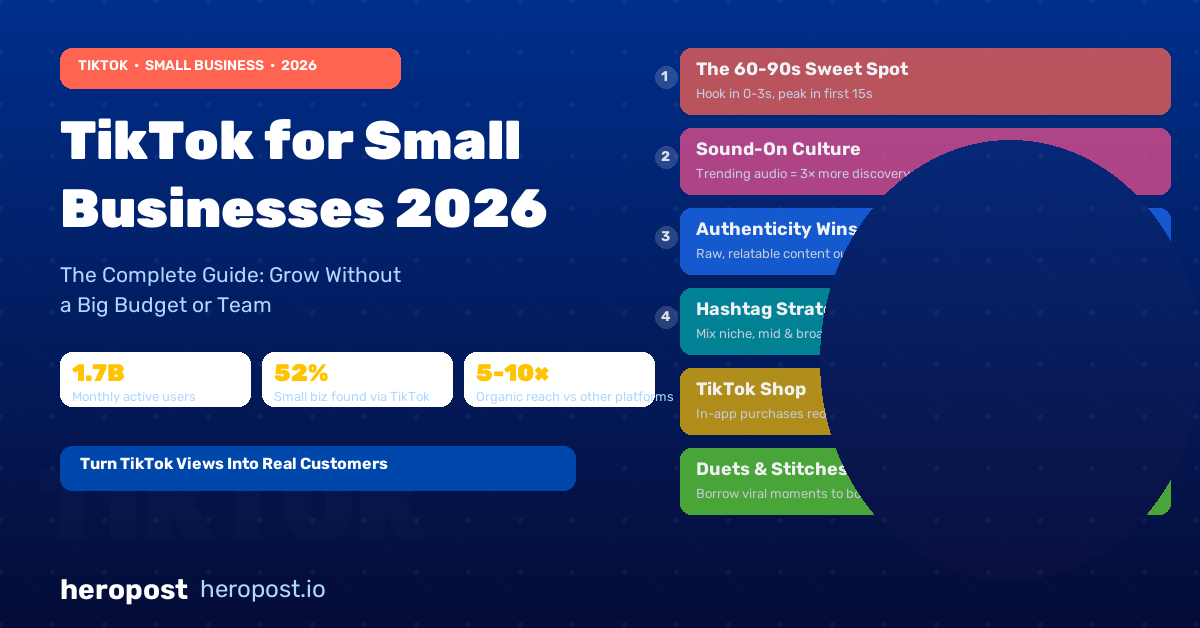
TikTok Shop has demonstrated that in-app commerce works at scale. Meta’s Shopping infrastructure is deepening. Pinterest’s native checkout is maturing. The second half of 2026 sees social commerce move from “early adopter” territory to mainstream expectation for product brands.
What this means for your strategy: If you sell physical products, in-app commerce integration is no longer optional. Start with the platform where your audience is most concentrated and build the commerce infrastructure: product catalogue, native checkout, creator affiliate partnerships.
Trend 3: The Creator Economy Professionalisation
The creator category has professionalised dramatically. What was once a hobbyist economy of individual influencers is now a structured industry with talent agencies, standardised contract formats, and established rate cards. Creator partnerships are more predictable and more expensive than they were three years ago.
What this means for your strategy: Invest in long-term creator partnerships rather than one-off campaign engagements. One well-chosen long-term partner is often more valuable than ten transactional campaign partnerships.
Trend 4: Short-Form Video Continues to Dominate — But the Quality Bar Rises
As every brand has recognised that Reels and TikToks get reach, volume has increased dramatically and competition for attention has intensified. The brands winning short-form video in H2 2026 are those with distinctive creative approaches, not just those showing up consistently.
What this means for your strategy: Invest more in the ideation and concept stage. Produce fewer videos with stronger hooks rather than more videos with average concepts.
Trend 5: Longer-Form Content Returning on Some Platforms
Counter-intuitively, longer-form content is showing a modest but meaningful revival. LinkedIn newsletters have seen strong subscriber growth. YouTube long-form content is growing. This reflects audience fatigue with endless short-form consumption and a growing appetite for substantive, sustained engagement.
What this means for your strategy: Consider whether your brand has a long-form content opportunity alongside your short-form presence. A weekly LinkedIn newsletter or monthly YouTube video essay signals depth and commitment that differentiates from content noise.
Trend 6: Platform Concentration Risk is Real
TikTok continues to face regulatory risk in Western markets. X/Twitter has continued to fragment its advertiser base. Brands concentrated heavily on a single platform are exposed to risks that were not previously significant.
What this means for your strategy: Ensure your strategy includes genuine audience-ownership mechanisms — email lists, SMS lists, or communities on platforms you control. When you own the audience relationship, a platform disruption does not reset everything you have built.
Conclusion
The second half of 2026 rewards the same fundamentals that have always driven social media success — authenticity, consistency, genuine value for a specific audience — but applies them in a landscape that is more competitive, more commerce-integrated, and more algorithmically sophisticated. The marketers who stay curious, test quickly, and adapt accordingly will maintain the advantage.